Enhancing Equipment Longevity with Welding Repair
- zelma rand
- Sep 22, 2025
- 4 min read
Industrial equipment in sawmills, papermills, and logging mills faces constant wear and tear. Heavy use, exposure to harsh environments, and mechanical stress can cause cracks, breaks, and other damage. Repairing this equipment promptly and effectively is essential to keep operations running smoothly. Welding repair solutions offer a reliable way to extend the life of critical machinery parts. In this post, I will share practical insights on how welding repair can enhance equipment longevity and improve overall productivity.
The Importance of Welding Repair Solutions for Industrial Equipment
Welding repair solutions play a vital role in maintaining the functionality of sawmill and papermill equipment. Parts like hog hammers, debarker arms, and conveyor components often suffer from metal fatigue and damage. Instead of replacing these parts entirely, welding repair can restore their strength and usability.
Using welding repair solutions helps reduce downtime. When equipment breaks, waiting for new parts can halt production for days or weeks. Welding repairs are usually faster and more cost-effective. They allow you to get equipment back in service quickly, minimizing lost production time.
Moreover, welding repair solutions improve safety. Damaged equipment can pose risks to workers and the facility. Repairing cracks and breaks promptly prevents accidents and ensures machinery operates as intended.

Welding repair restores damaged sawmill parts to full strength.
How Welding Repair Solutions Extend Equipment Life
Welding repair solutions extend equipment life by addressing damage before it worsens. Here are some ways welding repairs help:
Fixing Cracks and Fractures: Welding fills cracks and restores structural integrity. This prevents cracks from spreading and causing catastrophic failure.
Rebuilding Worn Surfaces: Parts that experience abrasion or erosion can be rebuilt with welding. Adding new metal layers restores original dimensions and strength.
Strengthening Weak Points: Welding can reinforce areas prone to stress. Adding weld beads or plates increases durability.
Custom Repairs: Welding allows for tailored fixes. Complex shapes and hard-to-reach areas can be repaired without full disassembly.
For example, a debarker arm with a cracked joint can be welded to restore its load-bearing capacity. A hog hammer with worn edges can be rebuilt with weld overlays to extend its service life.
Using welding repair solutions also saves money. Replacing large parts or entire assemblies is expensive. Welding repairs cost less and reduce the need for spare parts inventory.
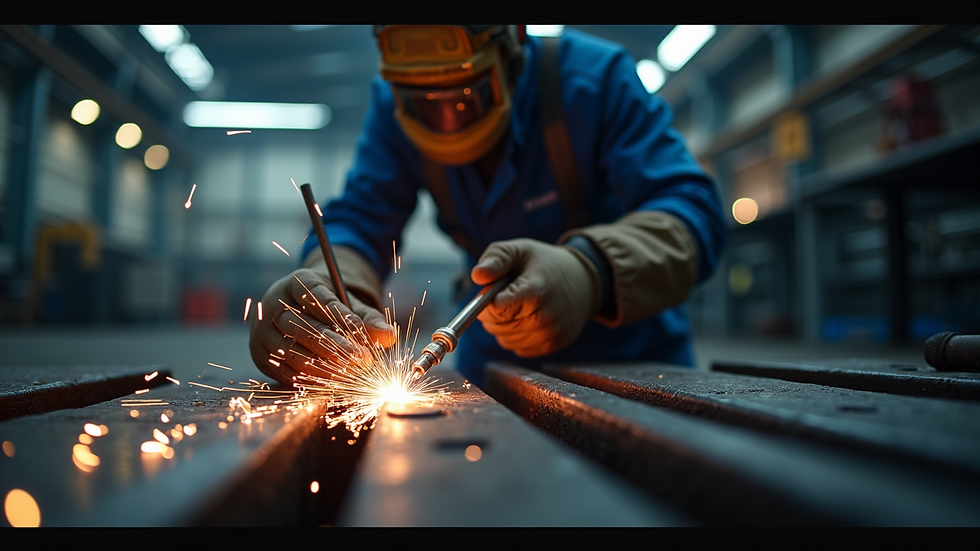
Welding repair solutions rebuild worn and cracked industrial machine parts.
What are the two major types of weld repair?
Understanding the types of weld repair helps in choosing the right approach for your equipment. The two major types are:
Surface Repair Welding:
This type focuses on restoring worn or damaged surfaces. It involves adding weld metal to rebuild thickness or smooth out rough areas. Surface repair welding is common for parts that suffer abrasion, corrosion, or minor cracks. Examples include rebuilding conveyor rollers or overlaying worn edges on hog hammers.
Structural Repair Welding:
Structural repair welding addresses cracks, breaks, or deformations that affect the strength of a component. It involves welding cracks closed, replacing broken sections, or reinforcing weak points. This type is critical for load-bearing parts like debarker arms or frame components.
Both types require skilled welders who understand the metal properties and stresses involved. Proper preparation, welding technique, and post-weld treatment ensure durable repairs.

Structural welding repair restores strength to broken or cracked metal frames.
Best Practices for Effective Welding Repair Solutions
To maximize the benefits of welding repair solutions, follow these best practices:
Inspect Equipment Regularly:
Frequent inspections help detect damage early. Look for cracks, wear, corrosion, and deformation. Early detection allows for timely welding repairs before damage worsens.
Choose the Right Welding Method:
Different metals and damage types require specific welding techniques. Common methods include MIG, TIG, and stick welding. Select the method that suits the material and repair type.
Prepare Surfaces Properly:
Clean and prepare the damaged area before welding. Remove rust, paint, and contaminants. Proper surface prep ensures strong weld adhesion.
Use Skilled Welders:
Welding repair requires expertise. Hire welders experienced in industrial equipment repair. Skilled welders produce high-quality, long-lasting repairs.
Apply Post-Weld Treatments:
Heat treatment or stress relief may be necessary after welding. These processes reduce residual stresses and prevent cracking.
Document Repairs:
Keep records of all welding repairs. Documentation helps track equipment history and plan future maintenance.
By following these steps, you ensure welding repair solutions deliver maximum equipment longevity and reliability.
Choosing the Right Welding Repair Services Provider
Selecting a trusted welding repair services provider is crucial. Look for a company with experience in sawmill, papermill, and logging equipment repair. They should offer:
Expertise in welding repair solutions for heavy industrial machinery
Skilled welders trained in various welding techniques
Ability to handle on-site repairs to minimize downtime
Use of quality materials and equipment
Strong safety standards and certifications
For example, Rand's Welding Sawmill Services specializes in welding repair services for sawmill equipment like hog hammers and debarker arms. Their focus on these industries ensures they understand the unique challenges and requirements.
Partnering with the right provider helps you maintain equipment efficiently and extend its service life.
Maximizing Equipment Performance Through Welding Repair
Welding repair solutions do more than just fix damage. They help maintain optimal equipment performance. Well-maintained parts operate smoothly, reduce energy consumption, and lower the risk of breakdowns.
To maximize performance:
Schedule regular welding repairs as part of your maintenance plan.
Address minor damage before it escalates.
Combine welding repairs with other maintenance tasks like lubrication and alignment.
Train your maintenance team to recognize when welding repairs are needed.
By integrating welding repair solutions into your maintenance strategy, you protect your investment and keep production running at peak efficiency.
Welding repair solutions are essential for extending the life of sawmill, papermill, and logging equipment. They reduce downtime, save costs, and improve safety. By understanding the types of weld repair, following best practices, and choosing the right service provider, you can keep your machinery in top condition. Investing in welding repair today means fewer breakdowns and longer-lasting equipment tomorrow.


Comments